⚓ Risk Assessments, Captain Chris & Greek Salad
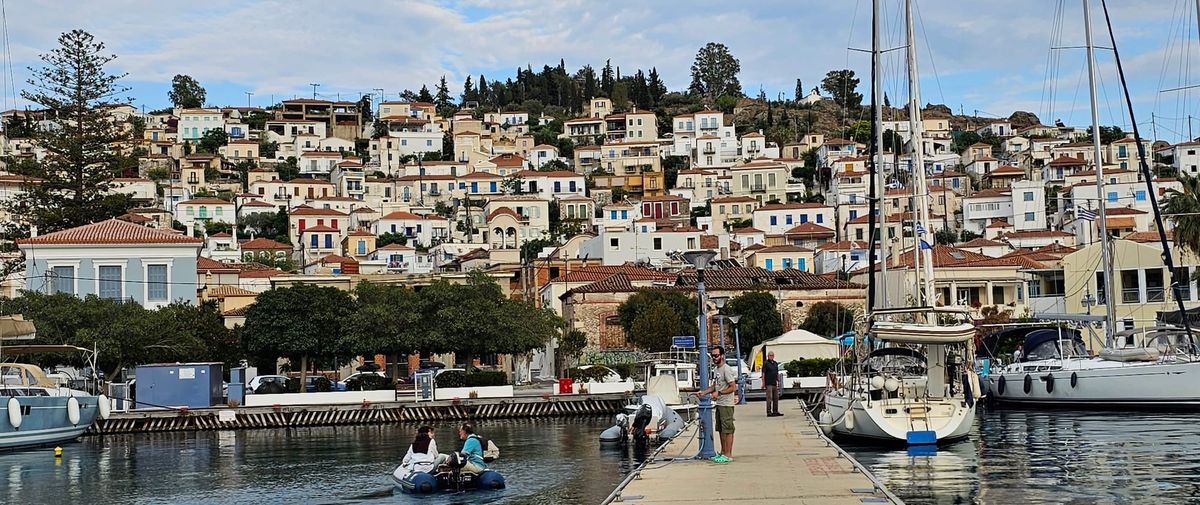
We have 2 cabins open for Amalfi next year, and are also looking to do Greece in September 2027, and BVI in November 2027. Email me for details if interested:
⚠️The Gnomad Risk Assessment ⚠️
😂⛵ Should We Go... or Is the Ocean Trying to Tell Us Something? 🌊🤣
There are two kinds of sailors:
Those who have had a day where everything went exactly according to plan...
…and those who haven't been sailing long enough. 😂⛵
Good seamanship starts before the boat ever leaves the dock.
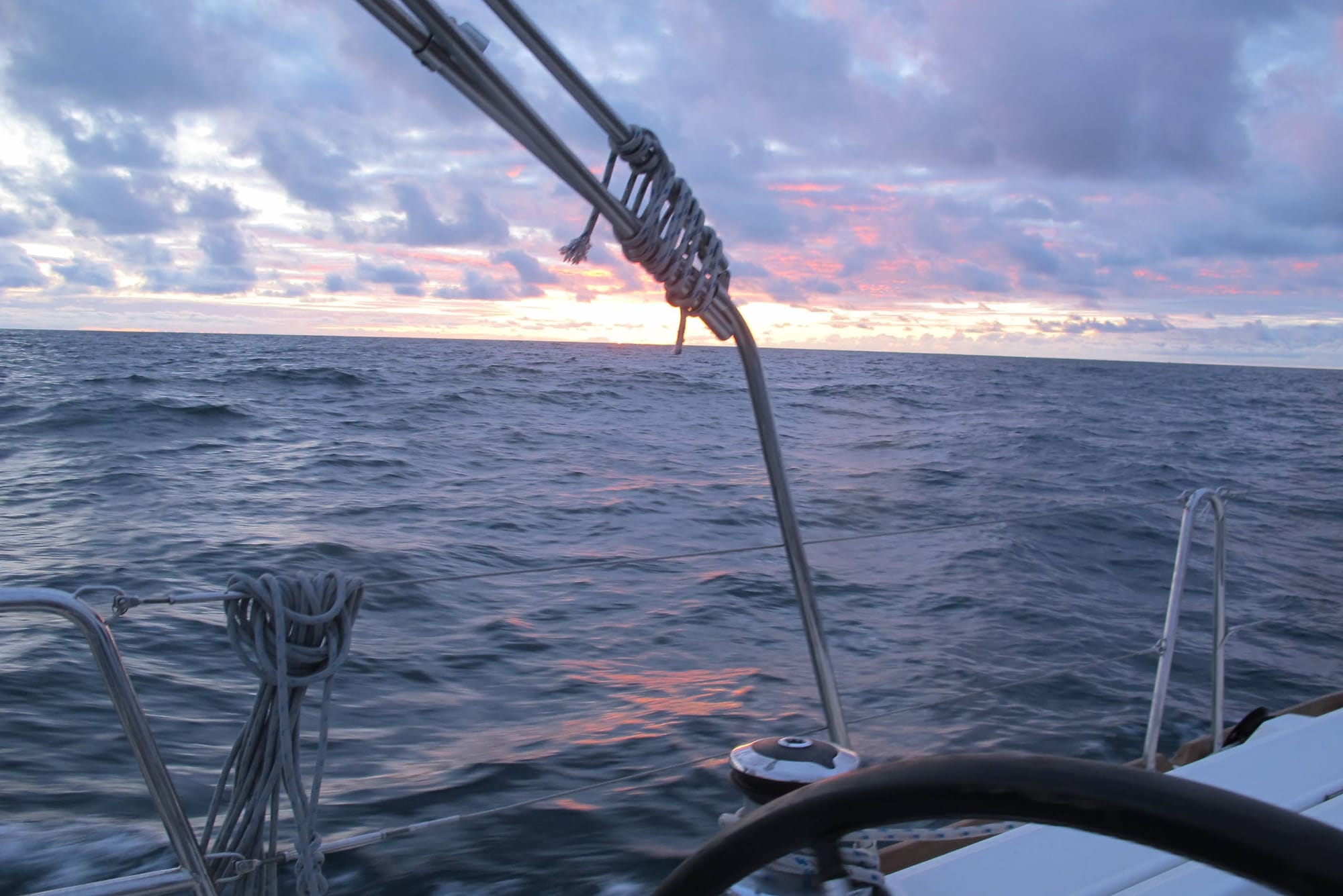
Before we go chasing sunsets, hunting for secluded anchorages, or searching for the nearest beach bar 🍹, take a few minutes and ask:
“What could go wrong today?”
This isn't about killing the adventure. It's about preventing the kind of adventure that involves a tow boat, an insurance claim, or explaining to the harbor master why there is a fender floating past his office. 😳
👤 1. THE HUMANS
The most complicated piece of equipment aboard is usually the crew. Are we:
😴 Tired?
🍺 Hungover?
💧 Dehydrated?
🤕 Injured?
😬 Stressed or distracted?
🧠 Mentally ready to make good decisions?
Experience doesn't make us immune to human factors.
If the crew isn't having a good day, change the plan.
Maybe today isn't the day for a 30-mile passage. Maybe it's the perfect day for a short hop, an anchorage and a swim.
That's not failure.
That's seamanship.
⛵ 2. THE BOAT
Is the boat ready for what we're asking it to do?
Think about:
⚙️ Engine
⛽ Fuel
💧 Water
🔋 Electrical systems
⛵ Sails & rigging
⚓ Anchor & ground tackle
📻 Communications
🧭 Navigation
🦺 Safety equipment
A boat doesn't have to be perfect. It does need to be appropriate for the plan.
And remember, the ocean has an uncanny ability to find the thing you forgot to fix. Usually at 0200. Usually while it's raining. 😂
🌎 3. THE ENVIRONMENT
Where are we going?
A calm afternoon in a protected bay is one thing. A narrow harbor entrance with a strong current, shallow water and 25 knots of wind is another. Consider:
🌬️ Wind
🌊 Waves & swell
🧭 Current
🌫️ Visibility
🚢 Traffic
🪨 Rocks & reefs
⚓ Anchorage conditions
🌙 Daylight
The destination matters too. Know what you're getting into before you get there.
🌤️ 4. THE WEATHER
Don't just ask:
“Is it sunny?” ☀️
Look at the whole picture.
What's happening now?
What's expected in three hours?
What happens if we're slower than planned?
Check wind, gusts, waves, swell, visibility, rain, thunderstorms, tides and currents.
And most importantly:
Is it getting better or worse?
🎯 5. WHAT ARE WE ACTUALLY DOING?
Every activity adds another layer of risk.
Sailing? Anchoring? Docking? Night sailing? Swimming? Dinghy operations? Paddleboards? A simple day sail may be straightforward.
A day involving sailing + anchoring + swimming + dinghy + beach landing + sunset cocktails has considerably more moving parts. 😂
Know what you're asking the boat and crew to do.
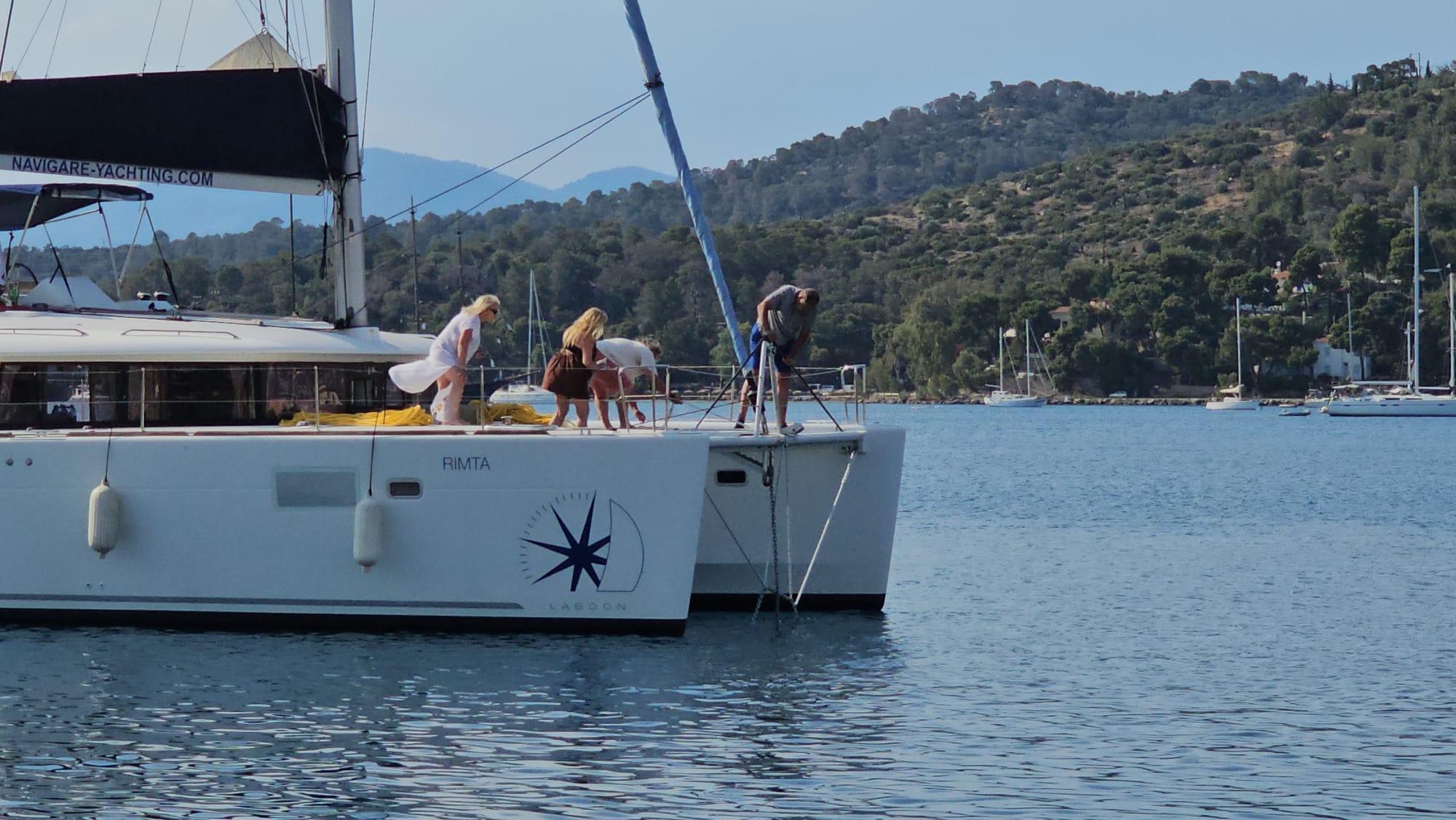
🧩 6. WHAT'S DIFFERENT TODAY?
Ask:
“What's different?”
New boat?
New crew?
Unfamiliar destination?
Stronger wind?
Mechanical issue?
Someone feeling seasick?
None of these automatically mean DON'T GO.
They may simply mean:
CHANGE THE PLAN.
⚠️ THE GNOMAD THREE
Before departure, identify the three biggest risks you're facing today.
Then ask:
What are we going to do about them?
Strong winds? Leave earlier.
Unfamiliar anchorage? Study the charts and have a backup.
Inexperienced crew? Give them a briefing and a job.
Identify it. Evaluate it. Mitigate it.
Then go sailing.
🚦 AND SOMETIMES THE ANSWER IS “NOPE.”
This might be the hardest lesson for sailors.
Sometimes the smartest thing you can do is stay put.
Bad weather.
Mechanical problems.
Tired crew.
Unsafe destination.
Gut feeling.
Listen to it.
The ocean will still be there tomorrow.
There is no prize for turning a perfectly good sailing adventure into a survival story.
🌅 THE GNOMAD WAY
Risk assessment isn't about making sailing risk-free.
It's about understanding what could go wrong, deciding how you're going to deal with it, and knowing when to change the plan.
Then you can relax, hoist the sails, turn up the music and go find that sunset. 🌅⛵🍹
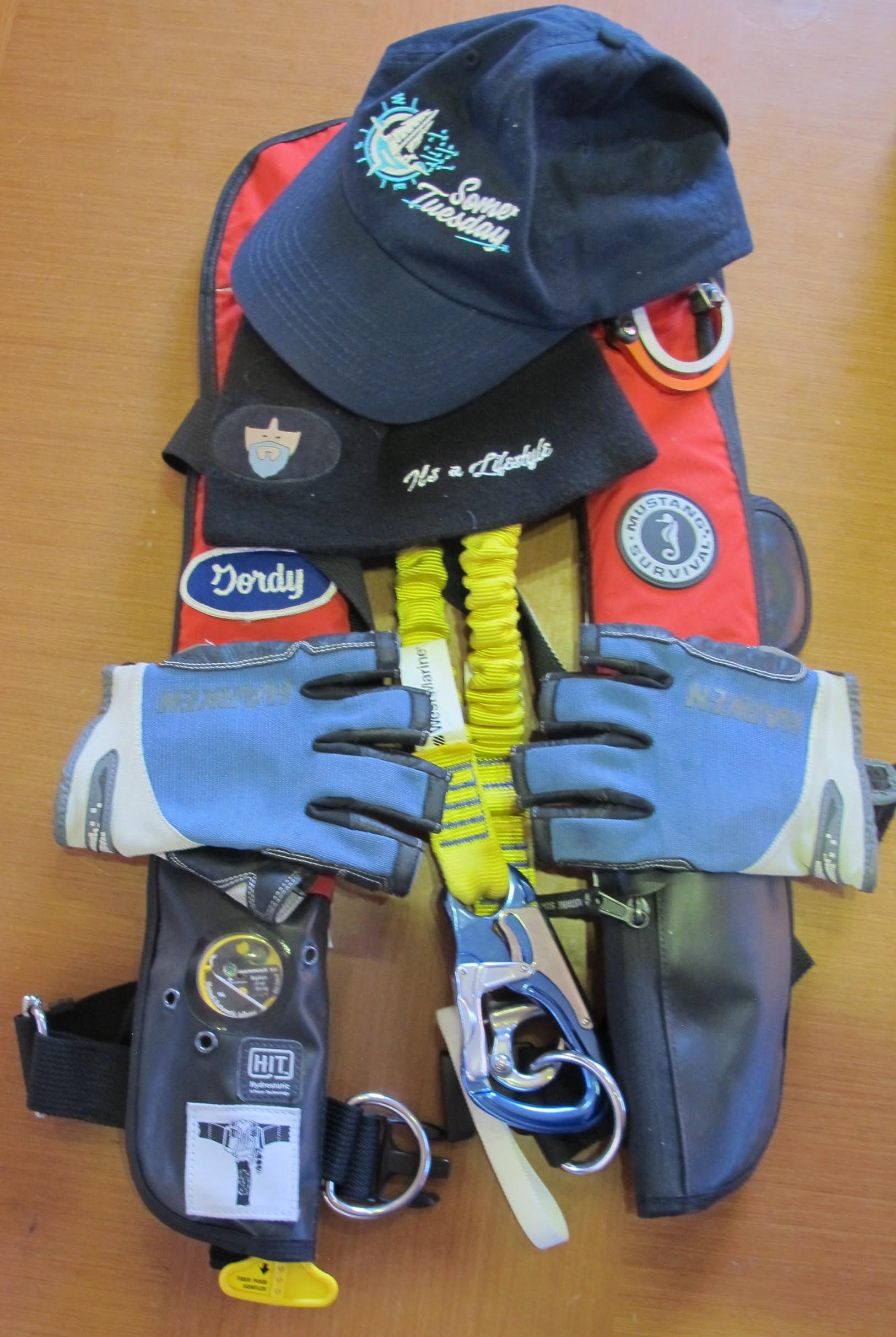
The goal is to make the risks manageable so we can get on with the fun stuff. ⛵🌊☀️
And that's the Gnomad Way.
Prepare thoughtfully.
Sail responsibly.
Adapt when necessary.
Laugh frequently.
And never underestimate the importance of knowing where the rum is. 🏴☠️🍹
Fair winds, calm seas & questionable decisions,
The G~Man ✌️❤️
This article is based in part on the pre-sail risk-assessment principles developed by Capt. Gordy Cox, aka The G~Man, and originally published through NauticEd. After all, when you're going to write about managing risk on a sailboat, you might as well listen to the guy who has spent years flying helicopters, sailing boats, teaching both, and occasionally making questionable decisions in both. 🚁⛵😂
Guest Spot: Captain Chris
Airline Captain, Sailor, Fixer of many things, Wealth of boat Knowledge
✈️ Continuing my tradition of introducing the people in my orbit, meet my friend and neighbor, Chris! 👋
Chris is also a pilot, although he’s one of those “stuck-wing” guys. 😏🛩️ But hey, nobody’s perfect… and we won’t hold that against him. 😂🍻
Please follow his You tube channel linked below.
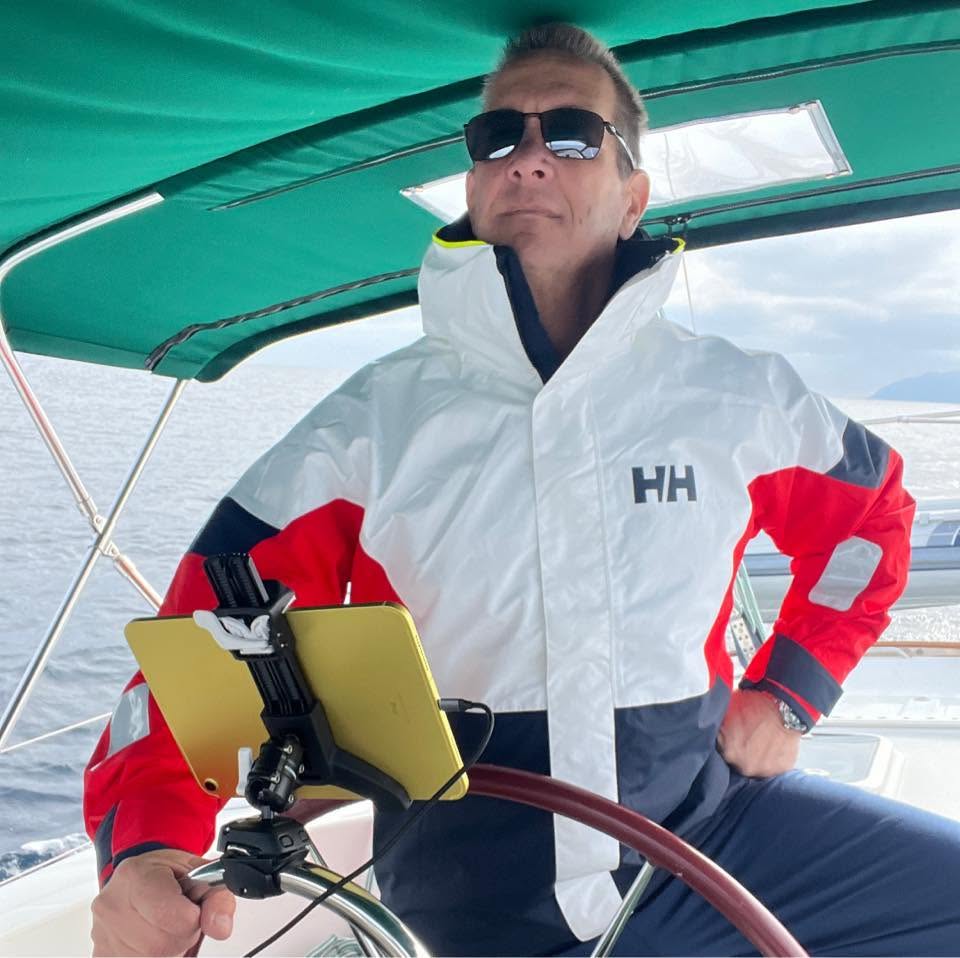
I learned to sail on the Texas Gulf Coast, where sailing was less about reaching a destination and more about discovering just how far the wind might take us.
My brothers and I grew up sailing from our family home in Jamaica Beach on Galveston Island. Our first sailboat was a Dolphin Senior, a small boat by any standard, but to us it represented freedom. Our parents gave us very clear instructions to stay within sight—or at least within reasonable range—of the house.
Like a lot of young sailors, we occasionally had a somewhat liberal interpretation of what “within range” meant.
Before long, my brothers and I were sailing miles across Galveston Bay.
Looking back, I’m not sure our parents would have been particularly happy knowing exactly how far we sometimes ventured. But those little expeditions taught us something important. A sailboat could take you somewhere. It wasn’t simply something you sailed back and forth in front of the house. Point the bow toward the horizon, trim the sails, and suddenly the world became much larger.
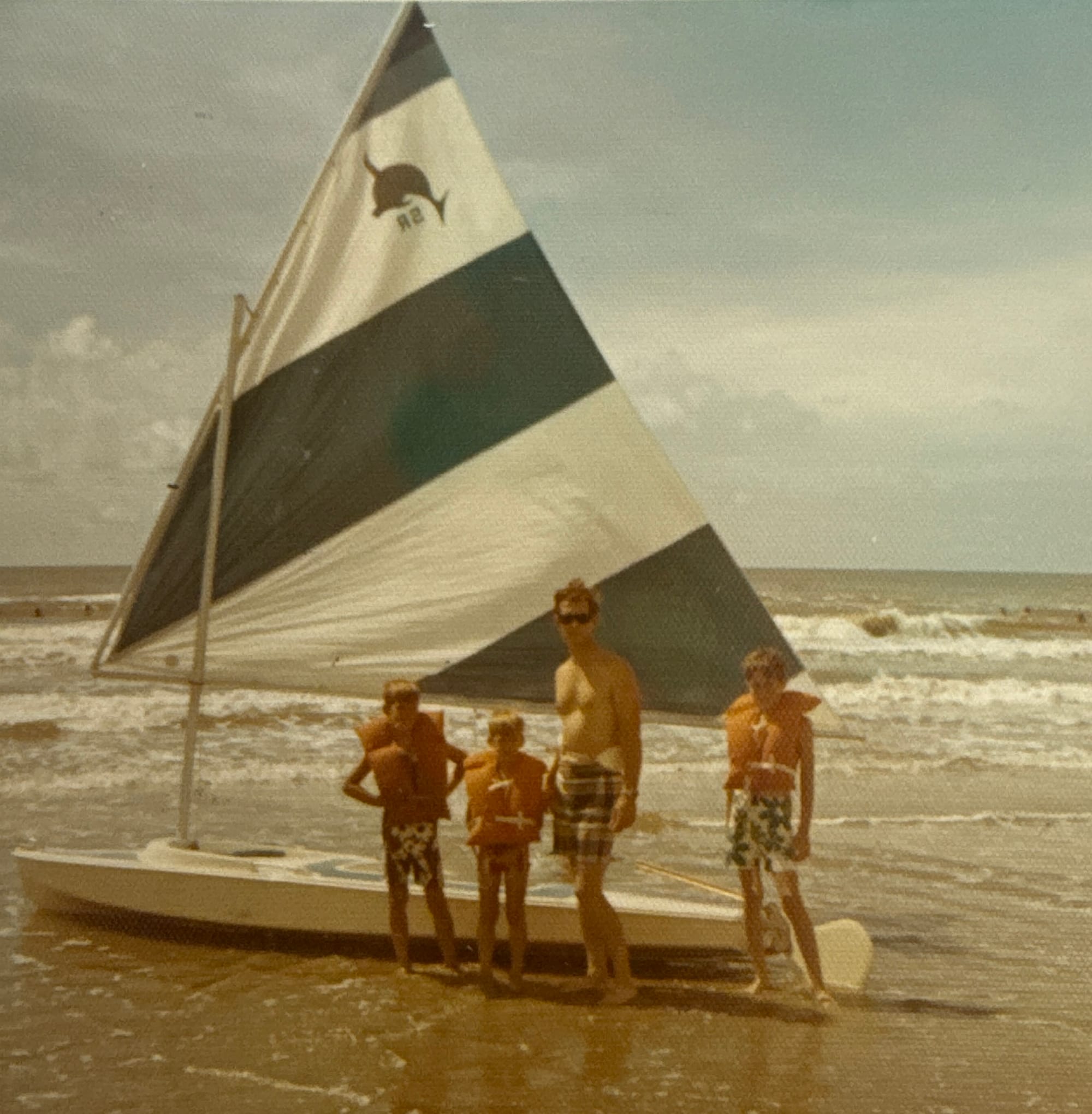
Later, I bought a Hobie 16 catamaran, and sailing became faster, wetter, and considerably more exciting.
The Hobie was sailing in its purest form. You watched the water for approaching gusts, felt the pressure building in the mainsheet, and knew when the boat was about to accelerate. When everything came together, one hull would lift clear of the water and the Hobie would take off across the bay.
And when you got it wrong, occasionally you found yourself standing on the side of an overturned catamaran trying to figure out how to get it upright again.
There was a wonderful simplicity to it.
Decades later, I’m still chasing that same feeling aboard our Beneteau Farr 57, Vanishing Point. Only now, instead of spending an afternoon racing across Galveston Bay, Karmen and I can spend days cruising the Southern California coast, crossing to the Channel Islands, or heading south along the coast of Northern Baja Mexico.
The boat has certainly gotten bigger.
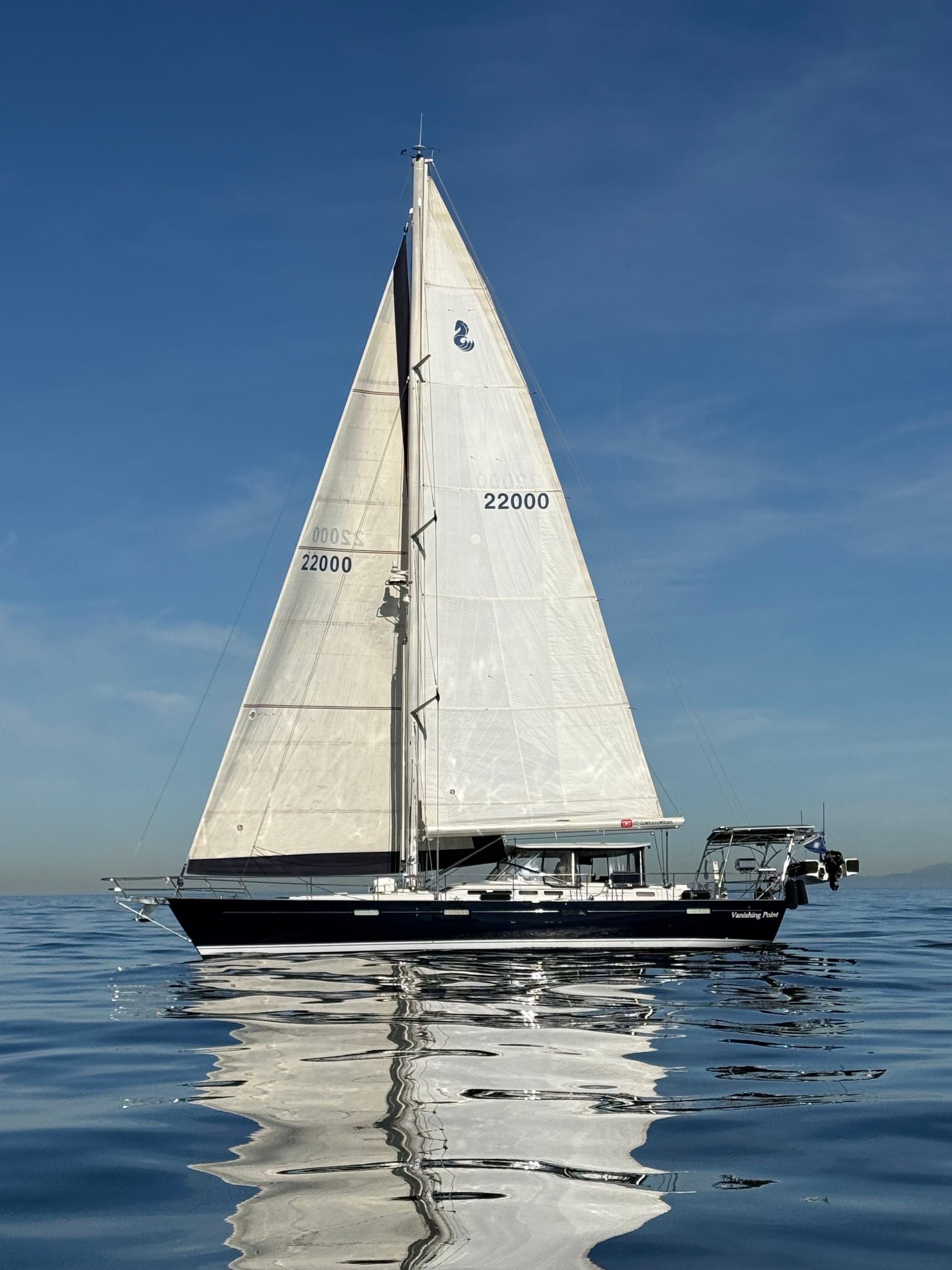
Unfortunately, so have I.
There is something slightly amusing about finally reaching the point in life when you have the boat capable of chasing those childhood dreams, only to discover that you’re now a senior citizen. The kid who once scrambled around a Hobie 16 without giving it a thought now occasionally makes noises getting out of the dinghy that sound suspiciously like an old wooden ship working its way through a heavy sea.
But the horizon still has exactly the same effect on me.
When I was a kid sailing out of Jamaica Beach, I remember looking across Galveston Bay and wondering what was beyond the places I could see. There was always another shoreline, another destination, another place that seemed just beyond reach.
More than half a century later, I still find myself looking toward the horizon and wondering the same thing.
The difference is that now we have a boat capable of finding out.
Vanishing Point’s part of this story began in Brisbane, Australia, where we purchased her. We then did something that, in retrospect, makes our future plans seem slightly absurd: we put her aboard a ship and transported her thousands of miles across the Pacific to Mexico.
In about a year and a half, when my working career finally comes to an end, Karmen and I plan to point her south and begin undoing all of that.
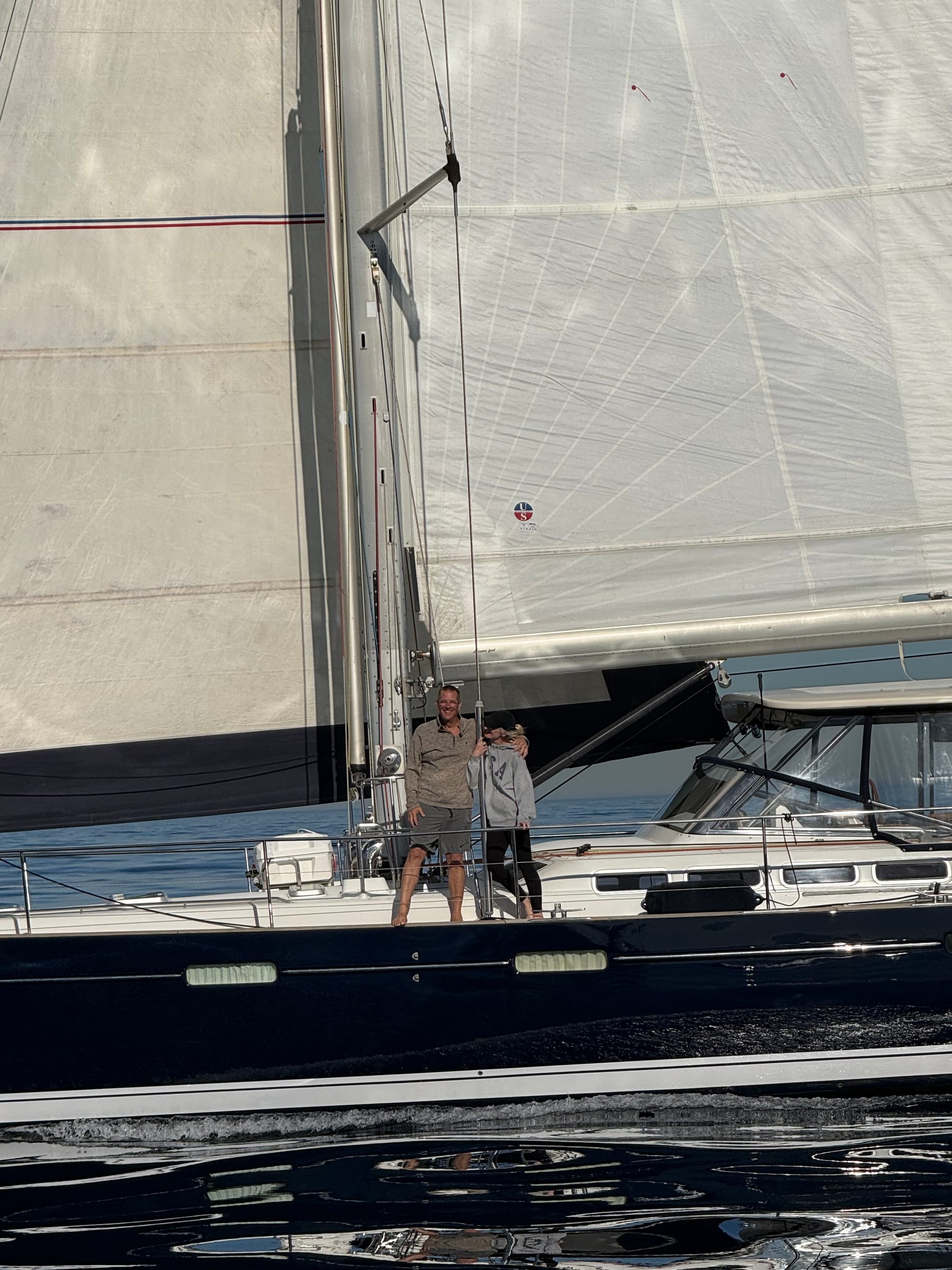
We’ll work our way down the coast of Mexico and eventually turn west toward the South Pacific. From there, we plan to explore the islands of the Pacific before continuing on to Australia.
And ultimately, back to Brisbane.
So, just to make sure the logic is clear: we bought Vanishing Point in Brisbane, shipped her across the Pacific to Mexico, and our retirement plan is to spend several years sailing her all the way back to Brisbane.
There were definitely easier ways to get the boat back where she started.
But taking the easy route was never really the dream.
Maybe that’s one of the unexpected gifts of getting older. As a kid, you have all the dreams but very little ability to pursue them. Later come careers, mortgages, raising families, and all the other responsibilities that tend to keep the horizon at a respectable distance.
Then one day you look at the calendar and realize something startling.
You’re running out of excuses.
In many ways, I think I’m still that kid aboard the Dolphin Senior, ignoring instructions to stay close to home and wondering just how much farther I can go.
The only real difference is that nobody can ground me when I get back.
Although when Karmen and I are somewhere halfway across the South Pacific, our family may reasonably conclude that my parents should have put a stop to this behavior when they had the chance.
The boats have gotten bigger. The voyages have gotten longer. The sailor has definitely gotten older.
But the horizon hasn’t moved.
And I’m still chasing it—all the way back to Brisbane.
Recipe Section
🫒⛵️ THE GNOMAD GREEK VILLAGE SALAD 🧑🍳🍅
Chunky. Juicy. Salty. Fresh. Ridiculously easy. 😎
Adapted from a real lunch we had on the boat--see below.
🍅 Ripe tomatoes
🥒 Cool, crunchy cucumber
🫑 Green peppers
🧅 Red onion
🫒 Kalamata olives
🧀 BIG chunks of feta
🌿 Oregano
🫒 Good olive oil
🍷 Red-wine vinegar
🍋 A squeeze of lemon if you're feeling fancy
Throw it all in one big bowl 🥣, drizzle generously with olive oil 🫒, sprinkle with oregano 🌿, give it a gentle toss and BOOM 💥... instant Mediterranean vacation. 🇬🇷🌊☀️
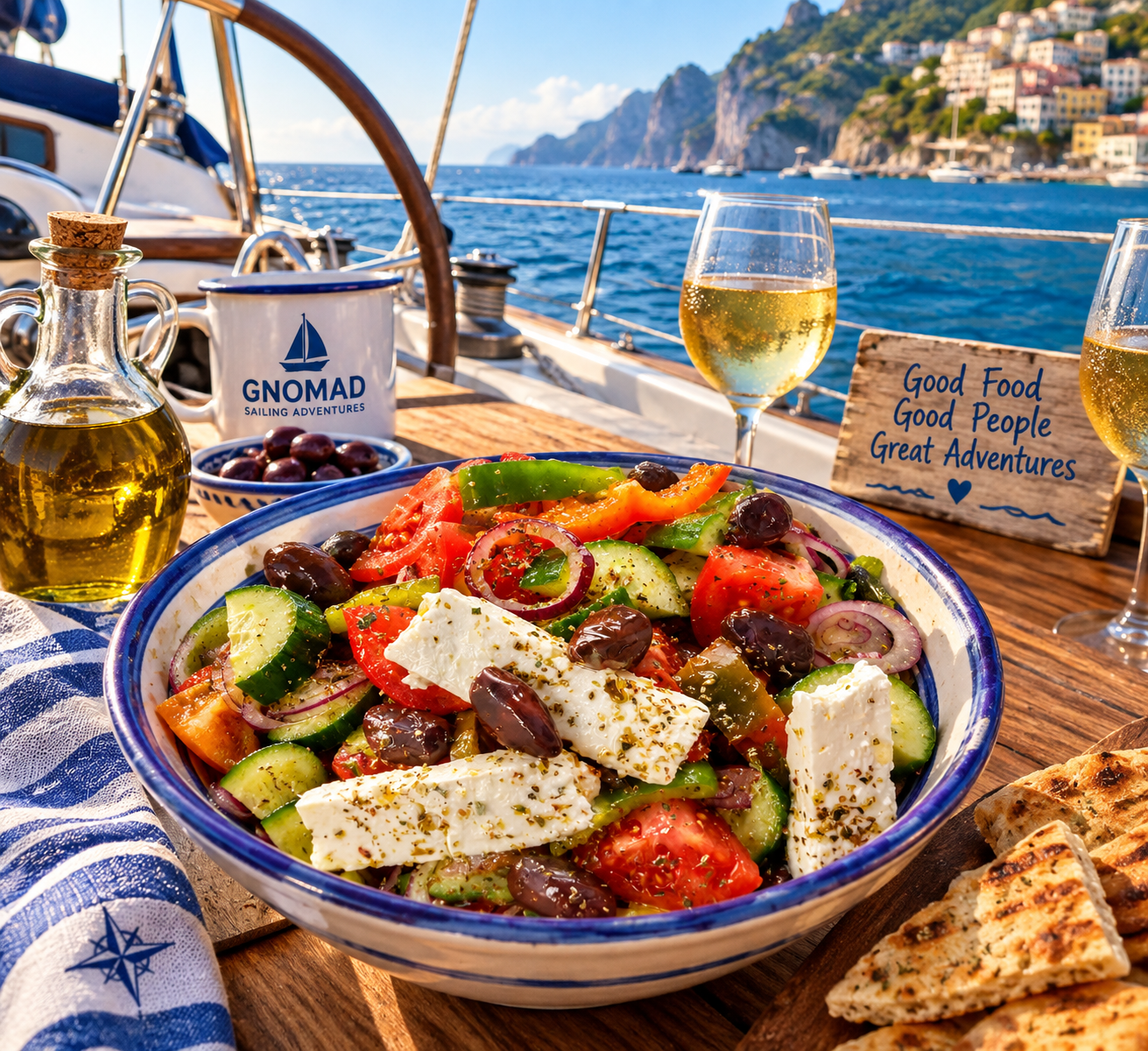
No stove. 🔥❌
No complicated prep. 🤯❌
Almost no dishes. 🧽🙌
And absolutely NO lettuce slowly turning into sadness in the boat fridge. 😂🥬💀
Serve it with warm pita 🫓, grilled fish 🐟, shrimp 🍤 or whatever the day's catch/provisioning gods have delivered.
Best enjoyed:
☀️ Somewhere in the Med
⛵️ After a day under sail
🍷 With something cold in your glass
🎶 Music playing
😂 Crew telling increasingly questionable stories
🌅 And nobody asking, “Whose turn is it to do the dishes?”
Meet our secret weapon: Victoria!
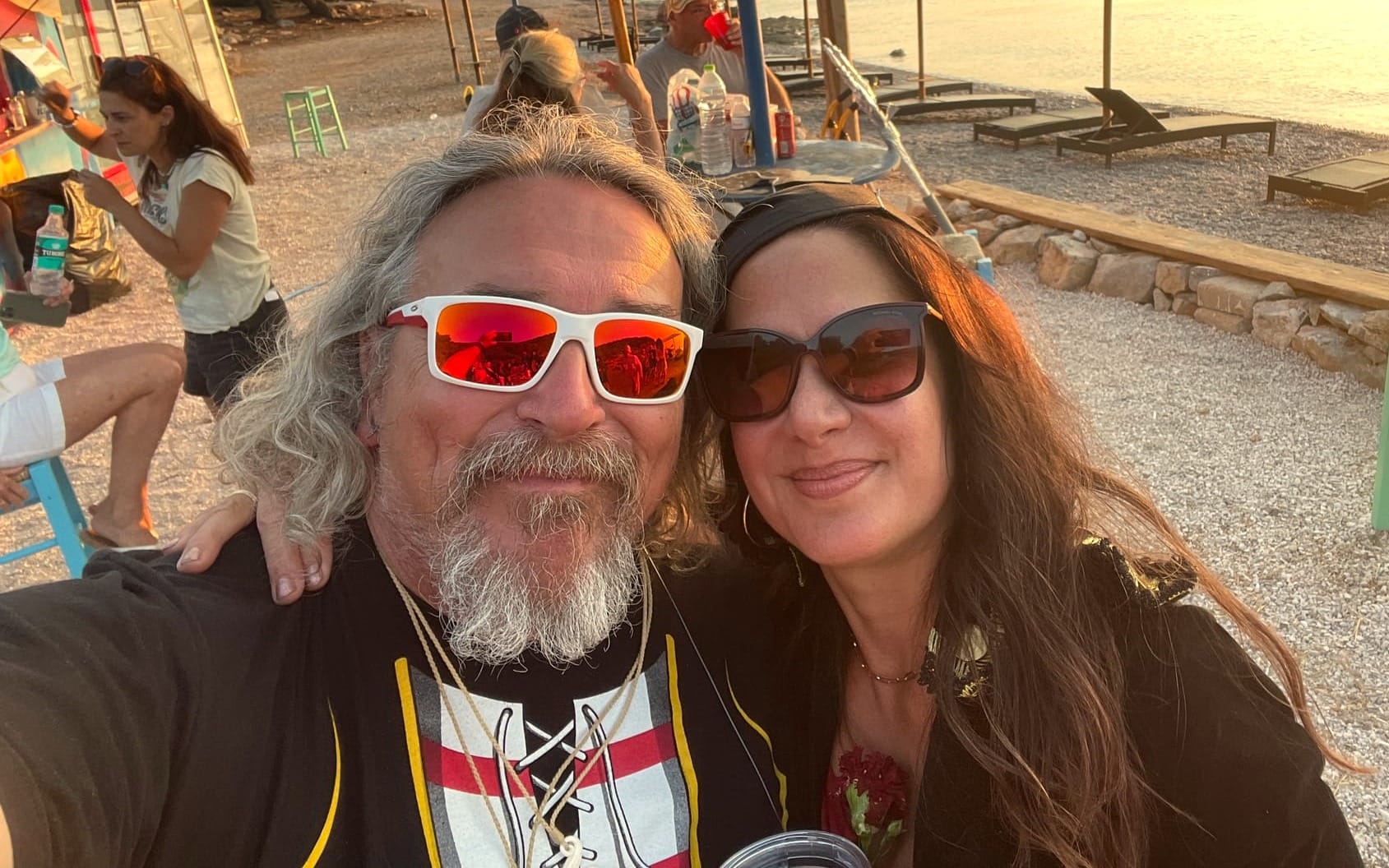
When we set sail for the Amalfi... wait, wrong flotilla — when the anchor drops in the Aegean, Victoria takes the helm of the galley, and suddenly everyone remembers why she's the real MVP of this trip.
Born and bred Greek, she doesn't need a recipe card for Horiatiki — she just knows when the tomatoes are ripe enough, how thick the feta slab should be, and exactly which olives earn a spot in the bowl. 🍅🫒🧀
This flotilla, she surprised the crew with her own family spin on the Greek Village Salad, and let's just say the bowl was scraped clean before the sun even set. ⛵🌅 Efharistó, Victoria — you make this crew eat like royalty! 🙏❤️
The Gnomad Rule:
Good food + good people + a boat + sunset = dinner is officially an adventure. 🌅⛵️❤️🍷
Live. Learn. Share. Give. Protect. Grow. Tribe. 🌎🧑🤝🧑⛵️❤️
Some Useful Freebies
These are the tools I actually use out here, and if you sign up using my links below you’ll usually get a little bonus or discount, while also supporting Gnomad Sailing at no extra cost
- Morning: LMNT Hydration 🍊
- Route planning/Navigation: Savvy Navvy + Orca 🌬️
- Teaching: NauticEd modules 📚
- Crew online: Saily + Surfshark 🌍
- Journaling the madness: reMarkable ✍️
- Training, books, and newsletter: The Boat Galley
- Starlink
⚓ Some Youtube channels I follow and highly recommend: